



Anker SOLIX Solarbank Max

VAT included.
Choose with your order: the P1 Meter with 3x Smart Plug Gen 2 (worth €237) or the three-phase Smart Meter Gen 2 with Triple CT cable 63A (worth €139). The promotion runs until 6 December 2026.
In stock
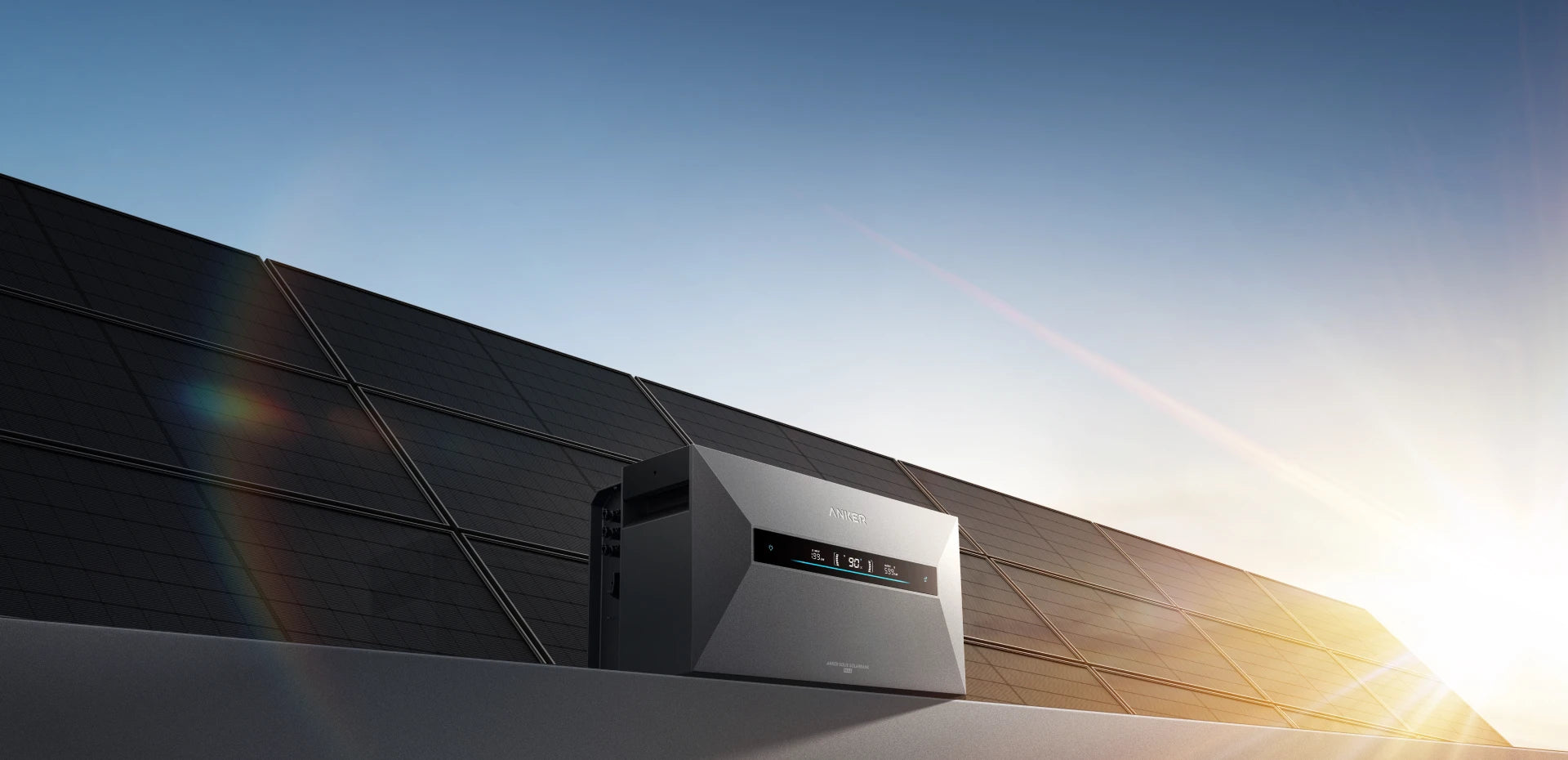
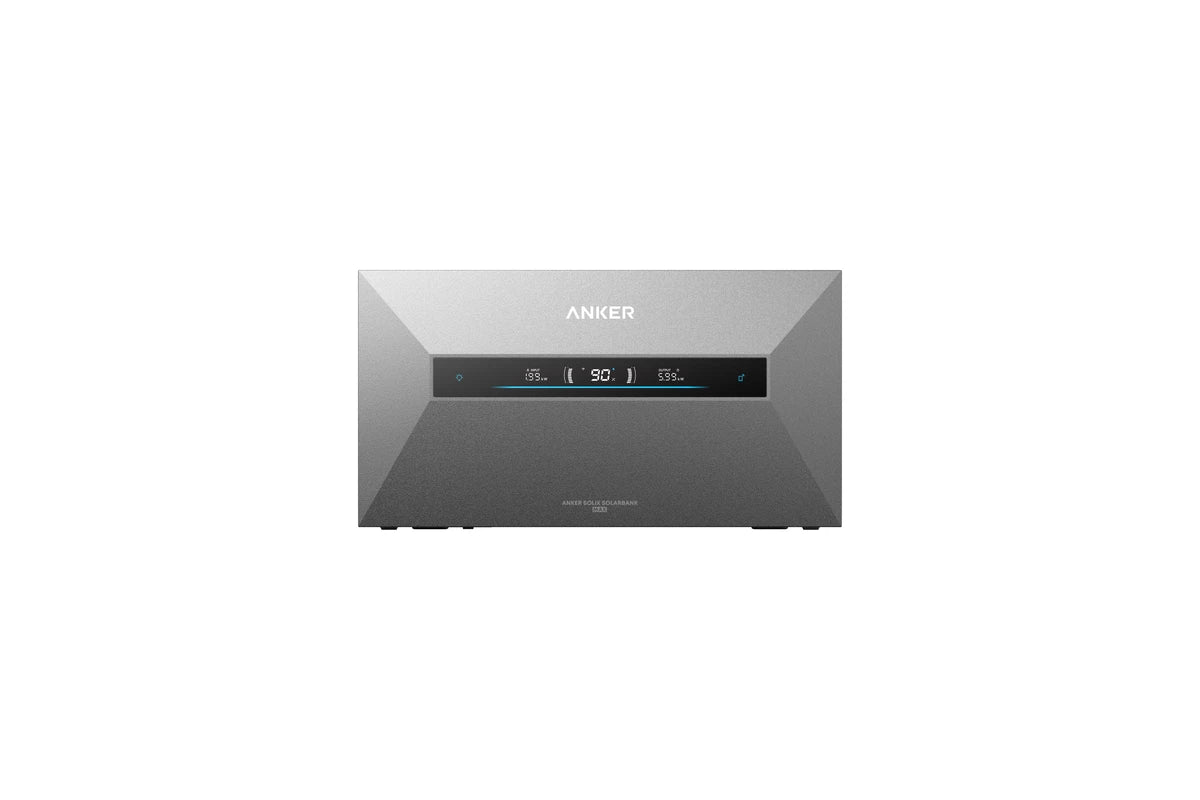
One system that combines your solar panels, inverter, and home battery all at once: that's the idea behind the Anker SOLIX Solarbank Max Hybrid. You connect up to 20 solar panels directly to a solar input of no less than 10kW, store the yield in 7 to 42kWh of capacity, and deliver up to 5kW to your home.
No separate inverter, no complicated installation; all the technology sits in one unit that you can expand in seconds. If the power goes out, the backup power output takes over instantly, and with the AI assistant Anka and its connection to over 870 energy suppliers, the system gets the most out of your own power every single day. Anker estimates savings of up to €2,186 per year, meaning the system pays for itself in just over 3 years.
Choose your storage capacity
Kies je gratis cadeau
 Authorized Anker SOLIX dealer
- Easy returns within 14 days
- Lowest prices in the Netherlands
Your payment details are processed securely. We do not store credit card information and have no access to this data.
Share This Product

What's the difference compared to the Solarbank Max AC?
The Solarbank Max Hybrid has the inverter built in: you connect up to 20 panels directly to 10kW of solar input and deliver up to 5kW to your home. Are you installing new panels, or do you want to get the most out of a full roof? Then this is the logical choice.
Not planning to connect solar panels directly to the battery? Then the Solarbank Max AC is the smarter choice, if only because you won't be paying for an inverter you don't use. The Max AC is AC-coupled: it sits behind your existing inverter and charges at 3,500W. The same 7 kWh of storage, the same expansion up to 42 kWh, but more affordable and without changing anything about your setup.
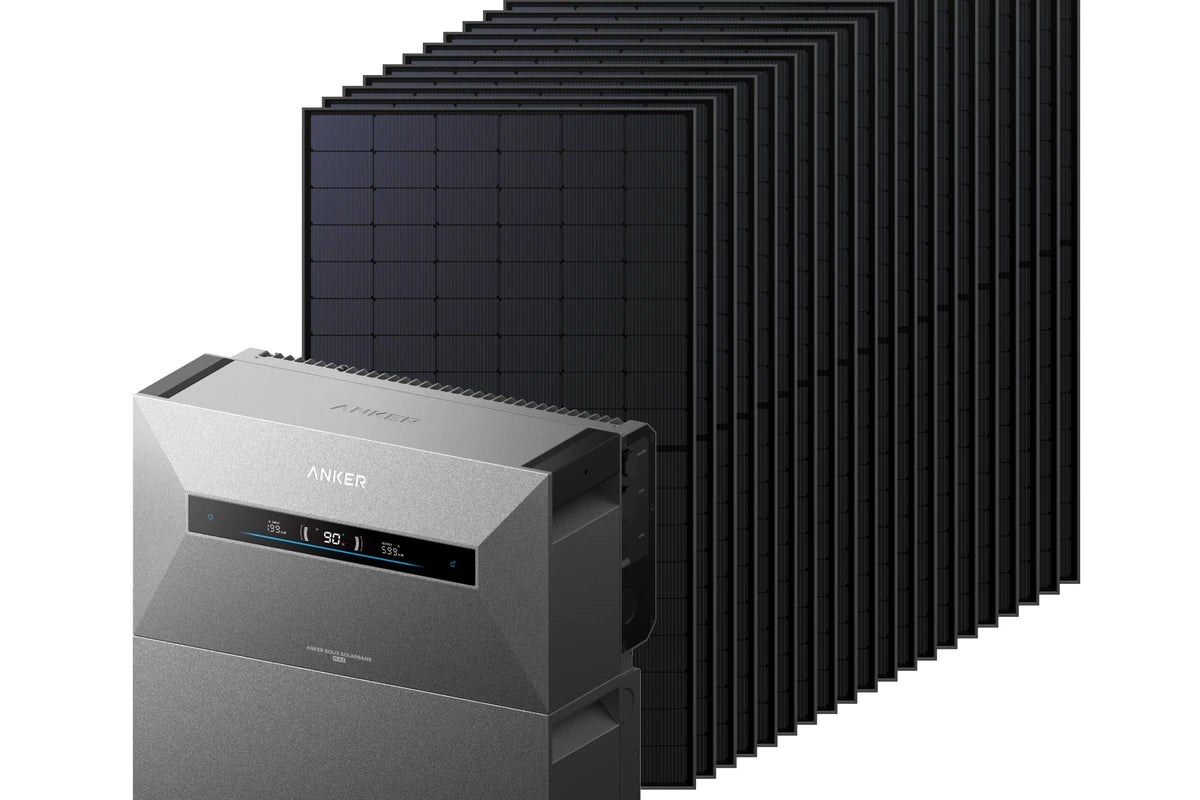
Up to 20 solar panels connected directly
The Solarbank Max Hybrid is the first plug-in home battery with 10kW of solar input. Its three MPPT inputs accept that 10kW together, with a wide voltage range from 30 to 550V. That means almost any panel configuration fits, from a modest setup to a full roof with 20 panels.
You connect the panels in series rather than in parallel: up to 10 panels on a single string. For 10 panels you only need 2 cables instead of 8, which makes installation up to 75% faster.
And because the inverter, battery management and optimizer are already built into the system, your panels feed straight into the battery. That saves you a separate inverter, extra wiring and a lot of installation work.
Every kilowatt-hour is put to use
Where traditional home batteries can use around 90% of their capacity, this system discharges up to 100% thanks to the built-in energy optimizer. So you pay for capacity you actually get. The system also runs up to two full cycles a day: charging on solar during the day, topping up at night on off-peak rates to bridge the expensive morning peak.
With a dynamic contract you connect to over 870 energy suppliers, and when the system sees bad weather coming, it charges up cheaply in advance. According to Anker, the system pays for itself within just a few years this way.
Stacked in seconds, expandable up to 42kWh
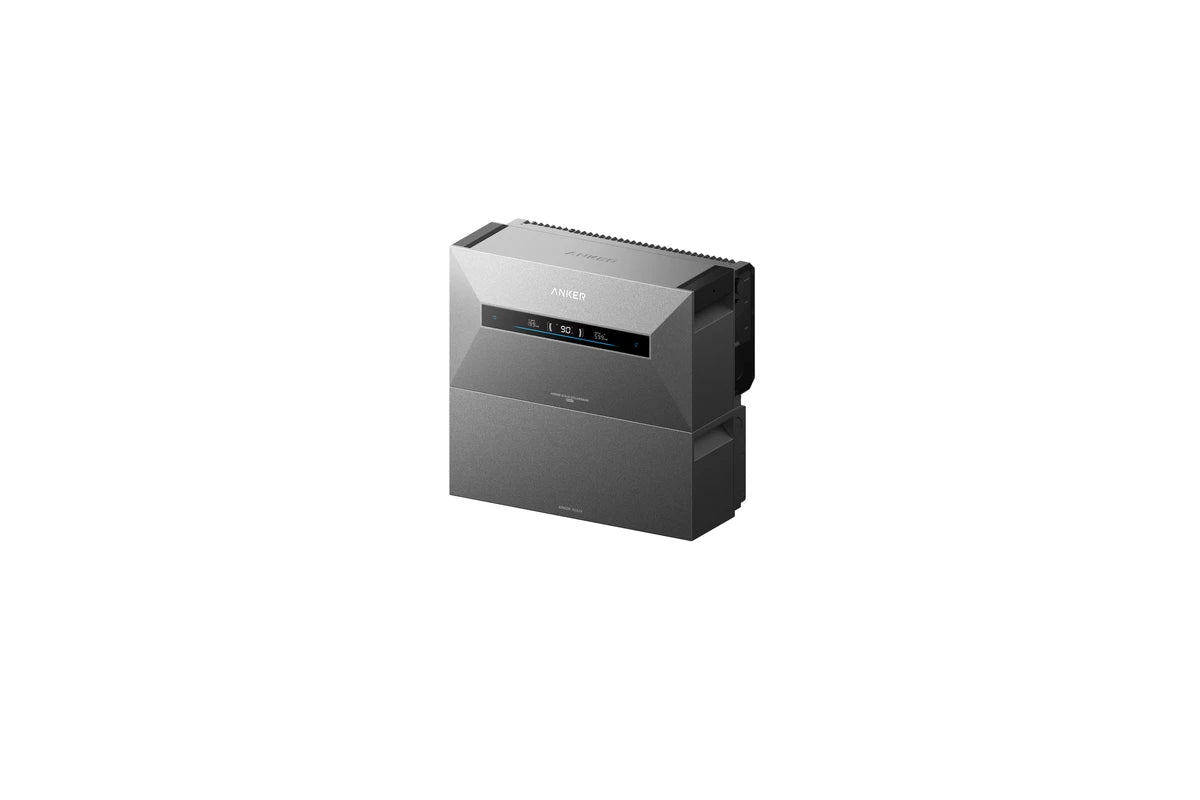
The base unit delivers 7kWh; with five expansion batteries you can grow all the way up to 42kWh. Thanks to PluginPower 2.0, stacking literally takes five seconds, and the entire system needs just six cables, after which it's up and running within five minutes.
Through the plug you can feed back up to 3.5kW; if you have the system hardwired, in the Netherlands that goes up to 5kW. As your consumption grows, you can even connect up to three systems in parallel. Meanwhile, the display shows you your generation, battery level and power output at a glance.

Backup Power Without a Hitch
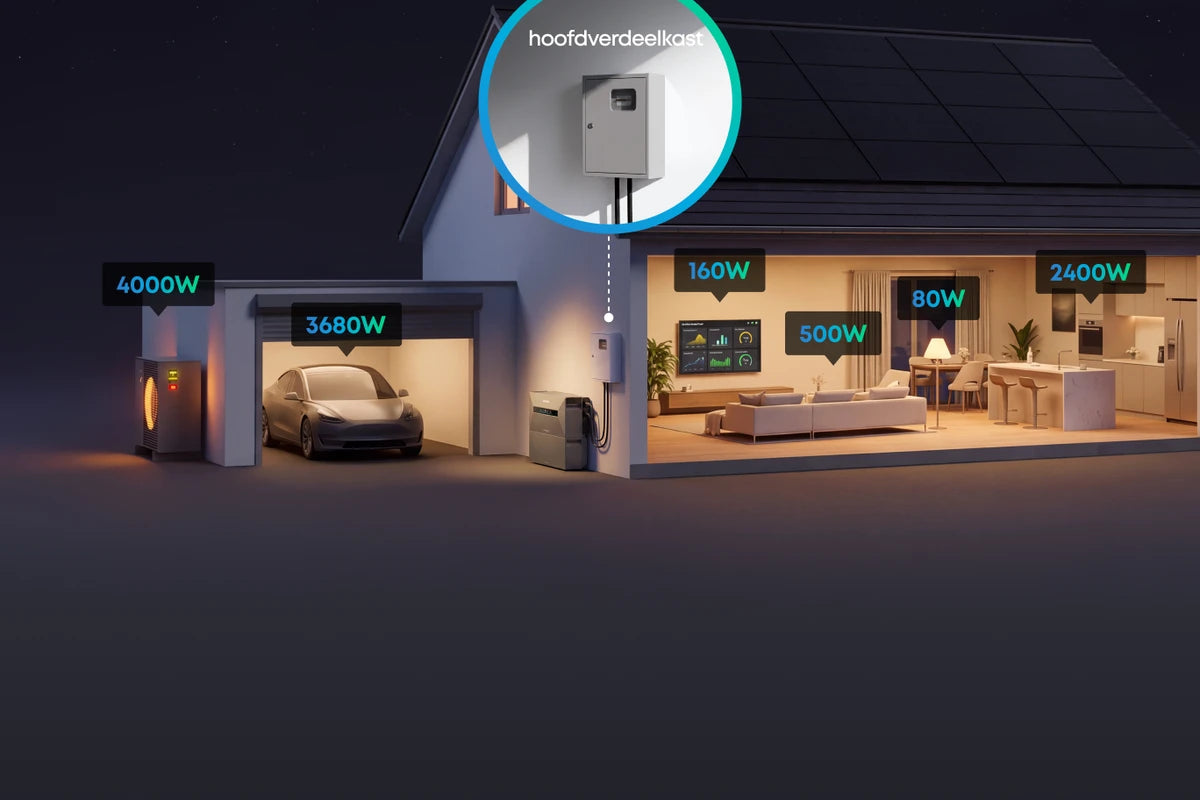
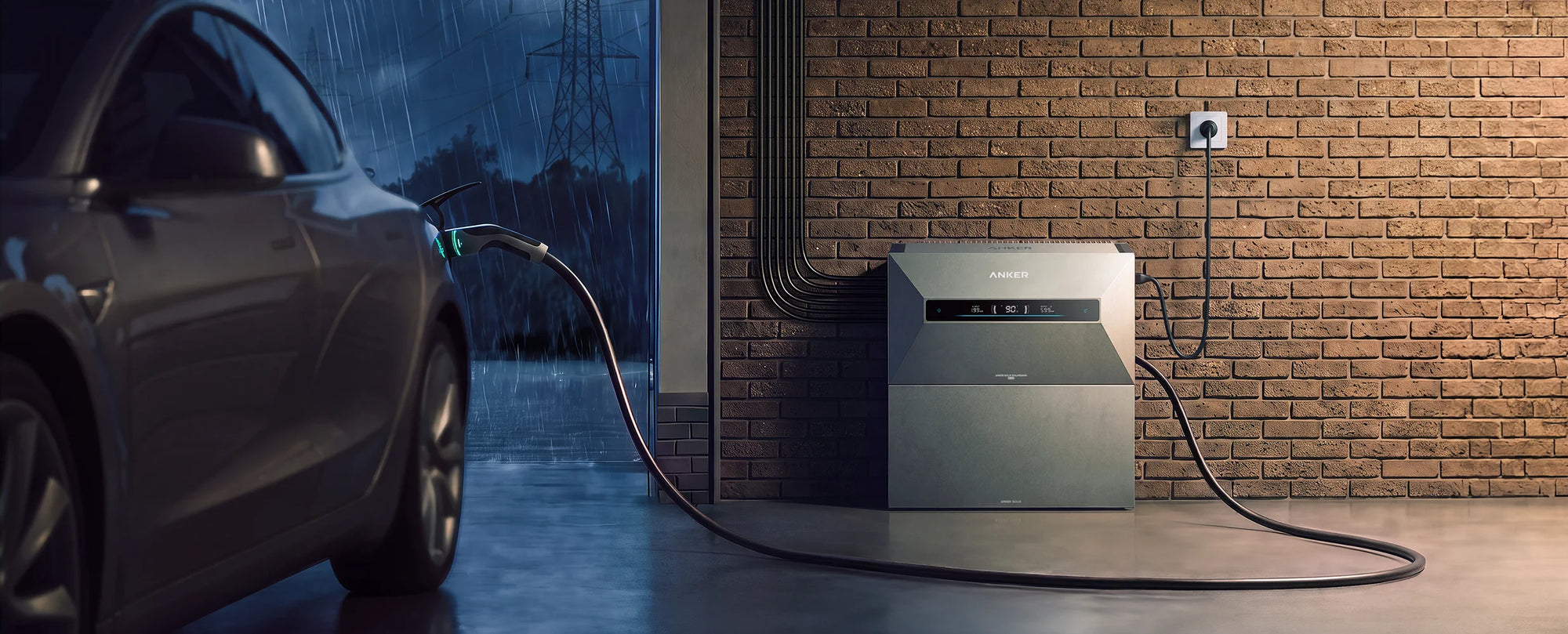
If the power goes out, the devices on the backup power output take over instantly, without any noticeable interruption. That output continuously delivers 3.5kW, perfectly matched to a standard power strip, so you can connect multiple devices at once.
For devices with a high startup current, there's a peak power of up to 7500W. In the app, you can see in real time what's happening on the backup power output and switch it on remotely.
Want your entire home to switch over during an outage? That's what the new Backup Auto-Switch is for: it automatically switches your complete installation to the battery when the power fails, installs just like a meter swap, and costs around 20% of a traditional whole-home backup system. You can order the Backup Auto-Switch now as a pre-order; available end of October.
Built to last 15 years
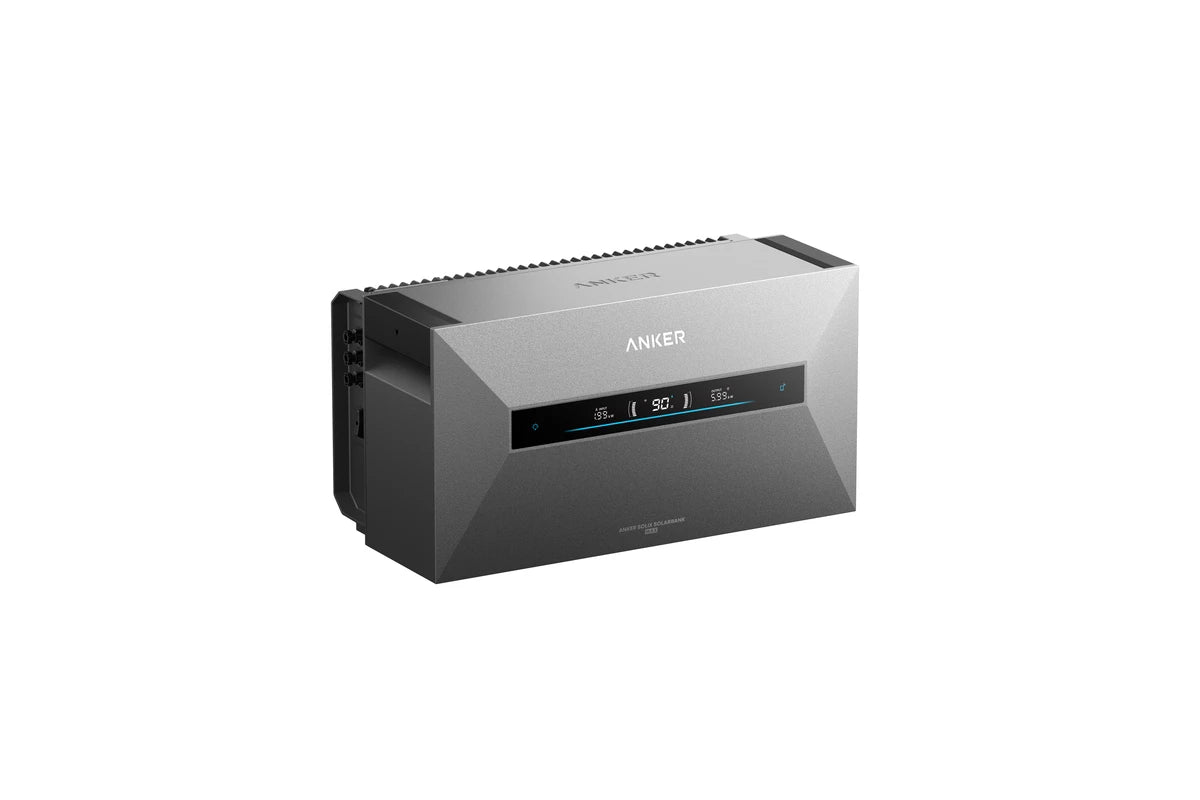
The 314Ah battery cells come from the world of large-scale energy storage and are good for 10,000 charging cycles — about 15 years with daily use, backed by a 10-year warranty.
And at 30 dB at rated power, the system is as quiet as a library.
Smart down to the voice assistant
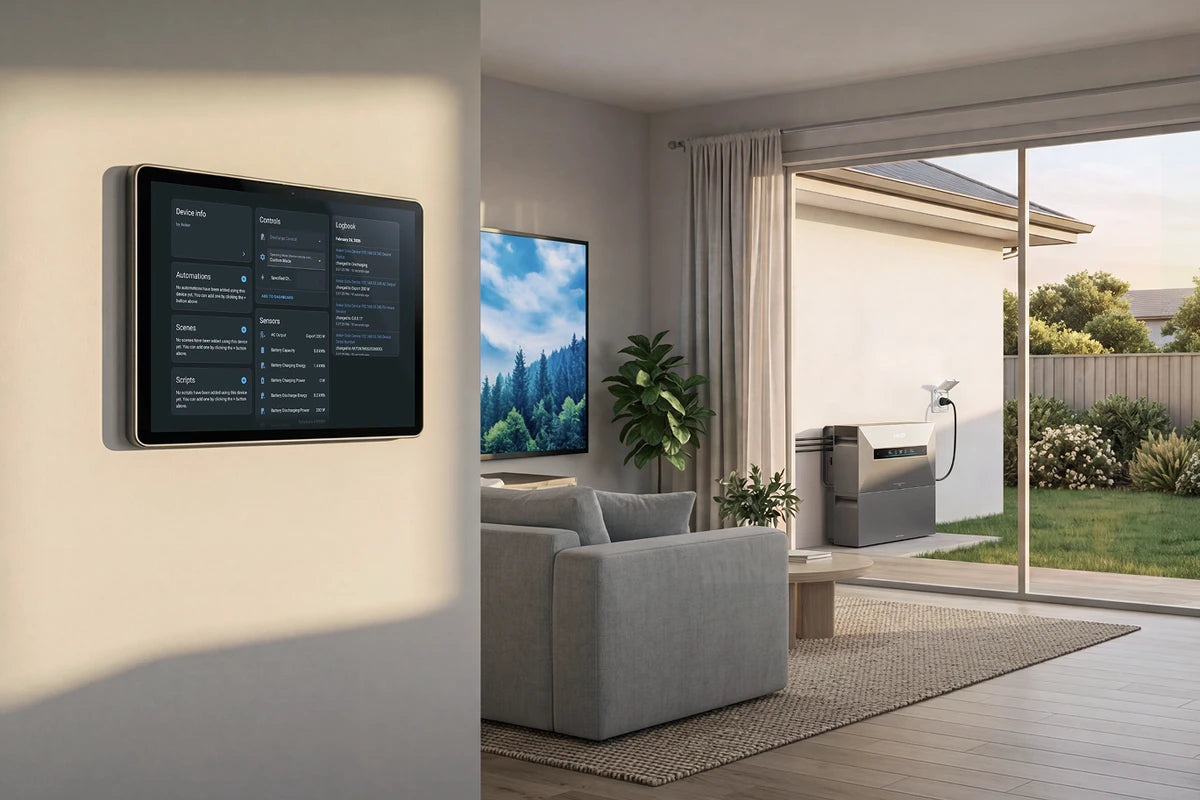
With the built-in AI assistant Anka, you simply ask a question: how efficiently your system is running, whether your solar yield next month will cover your consumption, or whether the battery needs to be full on Saturday evening. The system takes care of it.
The brains behind it is called Anker PowerOS. The AI energy management (AI EMS) analyzes the weather, your consumption and electricity prices in real time, and controls charging and discharging accordingly. Your data is stored and processed locally, with certifications such as ISO 27001 and ISO 27701.
On top of that, the battery officially integrates with Home Assistant and works together with SG-ready heat pumps, EV chargers and smart plugs, so that your biggest energy users run on your own solar power.
How does the Anker SOLIX Solarbank Max Hybrid compare?
The key differences with the Solarbank Max AC, the Solarbank 4 and the Zendure Mix Pro.
|
Solarbank Max Hybrid |
Solarbank Max AC |
Solarbank 4 E5000 Pro |
SolarFlow 4000 Mix Pro |
|
|
Hybrid (DC-coupled) |
AC-coupled |
Hybrid (DC-coupled) |
Hybrid (DC + AC) |
|
|
10kW (3 MPPT, 20 panels) |
None, via your own inverter |
5,000W (4 MPPT) |
13 kW (8 kW DC + 5 kW AC) |
|
|
7 kWh |
7 kWh |
5 kWh |
8 kWh |
|
|
42 kWh |
42 kWh |
30 kWh |
Over 50 kWh |
|
|
5kW fixed, 3.5kW via plug |
3,500W (800W via wall socket) |
2,500W (800W via wall outlet) |
4,000W |
|
|
3.5 kW (peak 7500W) |
3,680W (UPS) |
2,500W (10 ms UPS) |
3,680W (peak 7,200W) |
|
|
10,000 cycles |
10,000 cycles |
10,000 cycles |
10,000 cycles |
|
|
10 years |
10 years |
10 years |
10 years |
|
|
Connect new or your own panels directly |
Panels with their own inverter available |
Entry-level and more compact |
New panels or east-west roof |

Good to know
The full 5kW output requires a fixed connection on its own circuit; have this done by a certified electrician. Via the plug, you can get started yourself right away at 3.5kW.
Plan the spot in advance, because the base unit weighs 76.5 kg and each expansion battery adds 275 mm in height; a complete system still fits easily in most storage spaces at around 1.73 meters. If you'd like to keep the system off the floor, a separate mounting base is available.
Indoor or outdoor, in every season
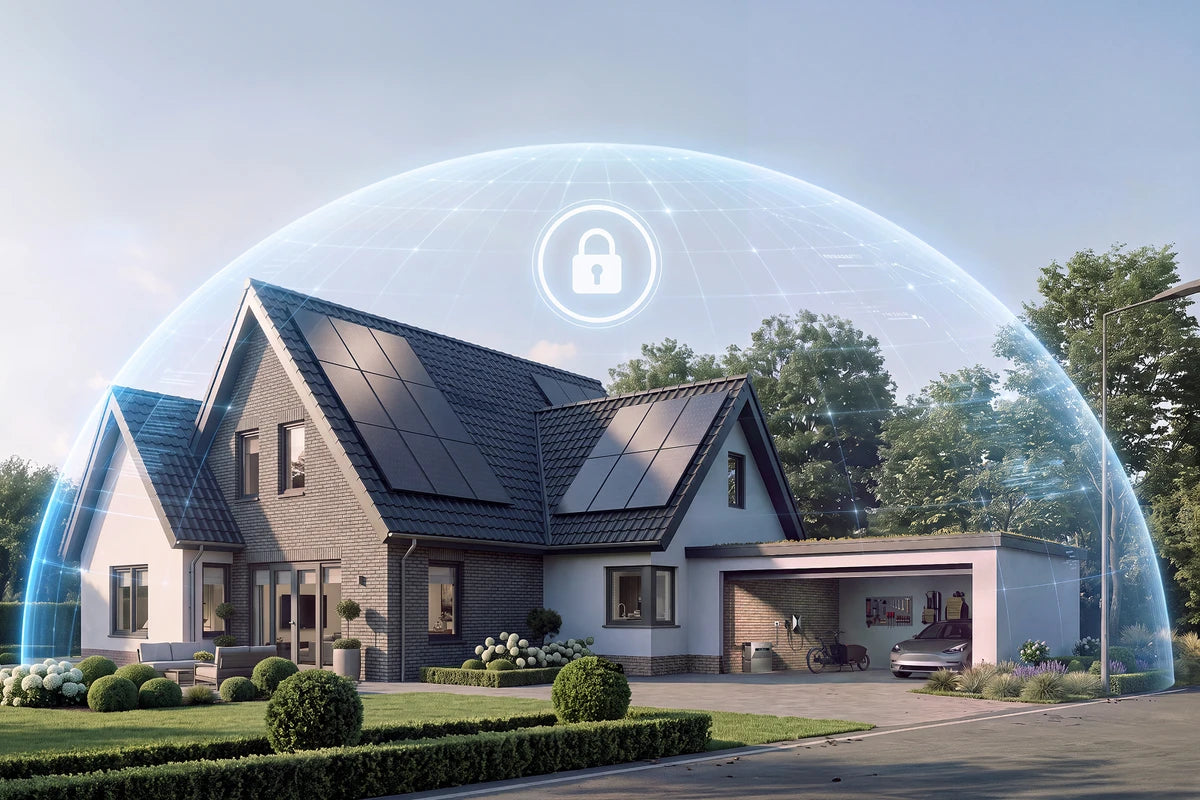
Thanks to IP66 and corrosion resistance up to coastal weather conditions, the Solarbank Max Hybrid stays right where it belongs, indoors or outdoors, in any season. Extreme temperatures aren't a limitation either: both charging and discharging work from -20 to 55 °C.
Inside, the battery is protected at cell level. Ceramic-coated separators and aerogel insulation pads prevent short circuits and keep heat away from the cells, while the battery management system monitors voltage and temperature 24/7. Should something still go wrong, pressure relief valves and a built-in fire suppression system with micro-extinguishers kick in immediately. The anti-thermal runaway construction prevents one cell from dragging the rest along with it.
FAQ about the Anker SOLIX Solarbank Max Hybrid
The questions we get most often about the Solarbank Max AC. Don't see your question here? Feel free to call or email us.
Can I install the Solarbank Max Hybrid myself?
Can I install the Solarbank Max Hybrid myself?
Via the plug it is: six cables, up and running within five minutes, and you deliver up to 3.5kW straight away. The full 5kW output requires a fixed connection on its own circuit; have that installed by a certified electrician.
How many solar panels can I connect?
How many solar panels can I connect?
Up to 20 panels, spread across three MPPT inputs with a combined 10kW. The voltage range runs from 30 to 550V, so just about any panel configuration fits.
What's the difference compared to the Solarbank Max AC?
What's the difference compared to the Solarbank Max AC?
The Hybrid has the inverter built in and connects panels directly, with 10kW solar input and up to 5kW of power. The Max AC is AC-coupled and sits behind your existing inverter. New panels? Go for the Hybrid. Just adding storage? Then the Max AC is the simplest route.
What happens during a power outage?
What happens during a power outage?
The devices on the backup power output take over instantly, without any noticeable interruption. That output continuously delivers 3.5kW with a peak up to 7500W for devices with a high startup current. In the app, you can track in real time what's happening.
Can I expand later?
Can I expand later?
Yes, with five expansion batteries you grow from 7 to 42kWh; stacking takes just five seconds thanks to PluginPower 2.0. If your usage keeps growing, you can connect up to three systems in parallel. Count on 275 mm of extra height per battery.
Does it work with a dynamic energy contract?
Does it work with a dynamic energy contract?
Yes, you connect to over 870 energy suppliers. The system charges overnight at off-peak rates, runs up to two full cycles a day and pre-charges cheaply when bad weather is on the way.
Can the Solarbank Max Hybrid be placed outside?
Can the Solarbank Max Hybrid be placed outside?
Yes. The housing is IP66 and corrosion-resistant, even up to coastal weather, and both charging and discharging work down to -20 °C. Indoors or outdoors, in any season.
Is there a subsidy or VAT advantage?
Is there a subsidy or VAT advantage?
The ISDE subsidy for home batteries is €250 per kWh, with a maximum of €1,500 per household. If you buy the battery together with solar panels, the 0% VAT rate may apply. The rules are strict, so just check with our customer service before you order.
TechPunt at Anker SOLIX
Closer to the brand, better advice for you
As an official partner of Anker SOLIX, we visited the headquarters in Shenzhen, China, in April 2026. There we got an in-depth look at the Solarbank Max Hybrid and spoke directly with the people behind the products. We bring that knowledge back to TechPunt, so we can give you tailored advice about the options, installation and expansion of your Solarbank Max Hybrid.


Prefer to discuss it first?
With this model, a lot depends on your roof: how many panels, which orientation, and what your current inverter can handle. Our specialists are happy to work through the numbers with you before you order, even if that points to a different model.
Service just as important as the product
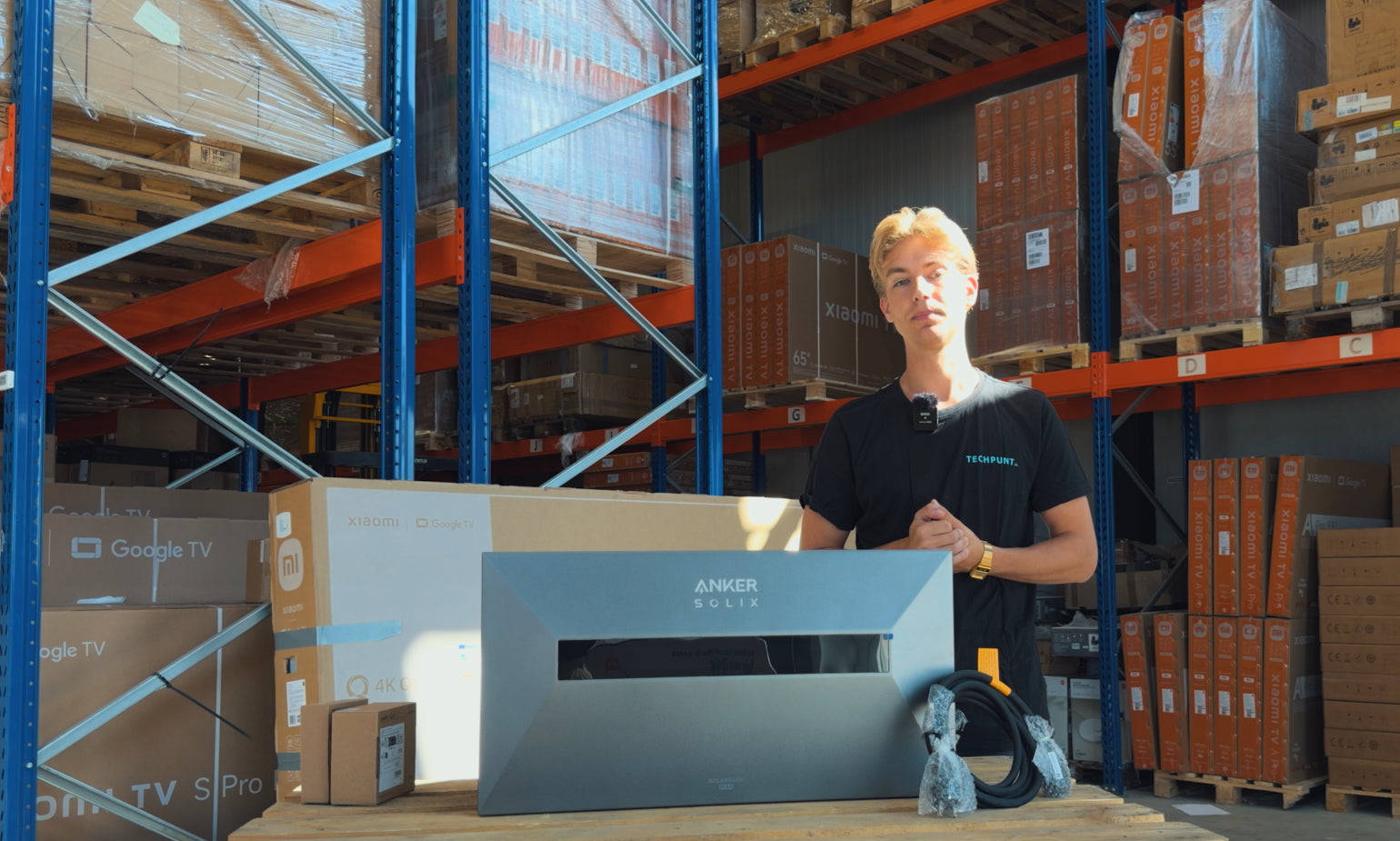
You don't buy a home battery every day. That's why we think good guidance is just as important as the product itself. Our team knows the Anker SOLIX products, accessories and connection options, and can help you with questions about installation, expansion and use.
We're here for you after your purchase too. Got a question about your Solarbank Max Hybrid, the P1 Meter, Smart Meter or the right connection? Then you'll get help directly from our own team.
We manage our stock and shipping ourselves. Is your Anker SOLIX product in stock and do you order before 20:00 on a working day? Then you'll have it delivered the next working day in the Netherlands or Belgium.
Why choose TechPunt?

Free shipping
All orders over €75 are delivered to your home at no extra cost.

Easy Returns
Enjoy the freedom of worry-free shopping thanks to our simple return policy.

Expert Advice
Our team tests every product themselves, so you always get honest and independent advice.


